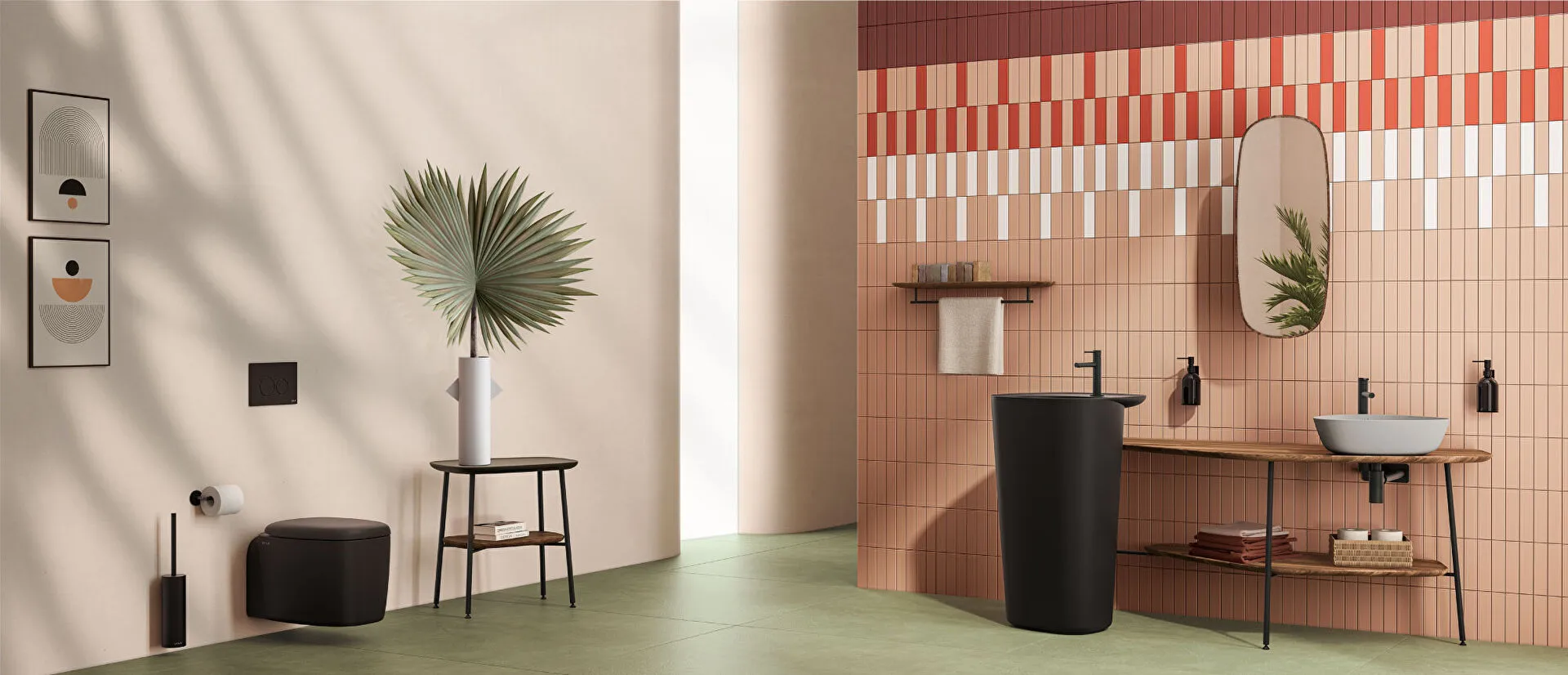
VitrA has just launched its new washbasin made from recycled manufacturing waste, establishing it as the first and only washbasin of its kind globally. This innovation reduces global warming potential of its production by 30% per product, transforming materials once considered waste into valuable resources.
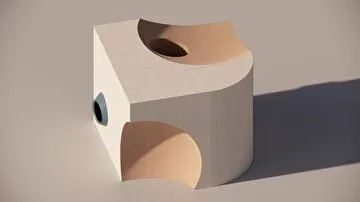
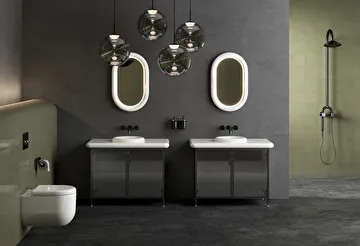
VitrA has created the world's first 100% recycled ceramic washbasin, utilizing/repurposing the waste materials, including discarded ceramics, from its production process. Developed at the VitrA Production Campus in Bozüyük, Türkiye, this innovative product has been designed to to have minimum environmental impact, underscoring VitrA’s commitment to sustainability by reducing waste and conserving resources and maximizing circular economy opportunities. The washbasin is available in matt beige and five distinct shapes just the beginning of a collection which will feature additional products and colours, further reinforcing VitrA’s commitment to environmental health and sustainable practices.
The products’ Life Cycle Assessment (LCA)**, conducted in accordance with ISO 14040:2006 and 14044:2006 standards, demonstrated that the use of waste materials led to almost 30% improvement in global warming potential. This sustainable manufacturing resulted in approximately 5 kg of raw material savings per product, a 36% improvement, and a 2.48 kWh reduction in electricity usage per product, reflecting a 38% enhancement, due to the decreased reliance on raw materials.
"We are determined to maximise our contribution to the circular economy."
Eczacıbaşı Building Products’ CEO Özgen Özkan highlighted VitrA’s commitment to sustainability and innovation in the ceramic sector, stating, “By integrating circular design principles and innovative business models, we’ve begun repurposing waste from our ceramic sanitary ware production. This approach allows us to conserve natural resources, reduce environmental impacts, and cut carbon dioxide emissions, all while managing costs and material constraints more effectively. Our 100% recycled washbasin embodies our dedication to resource efficiency, waste reduction, and a stronger circular economy.”
An estimated 30% less environmental impact
Özgen Özkan highlighted the environmental impact of producing the world’s first recycled ceramic washbasin, noting a 30% reduction in global warming potential per product. He explained, “These new washbasins benefit from VitrA Hygiene technology and we are advancing our research and development efforts to incorporate recycled materials into the glazing process. With an eye on expanding our sustainable product portfolio, we’re exploring new designs and applications, from packaging to branding with new icons, all made from recycled materials derived from our own production waste.”
**The life cycle assessment has been conducted internally within the organization.