

/Header-products-4-.jpg)
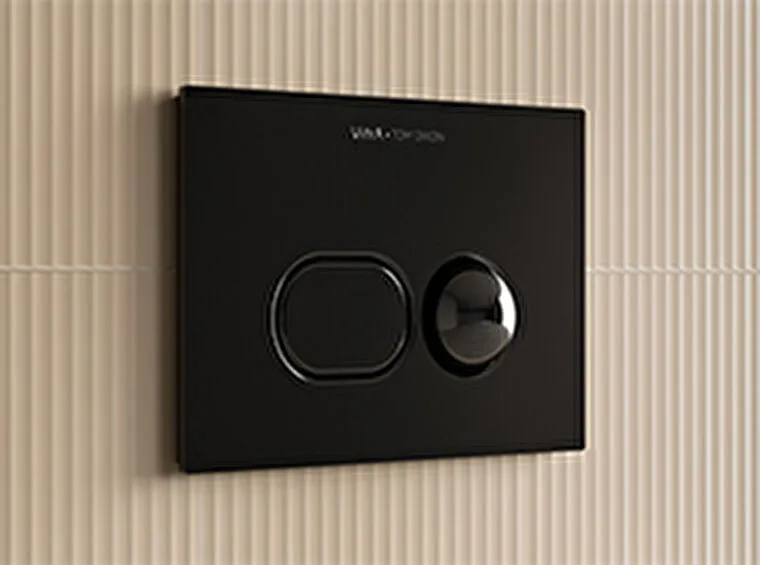

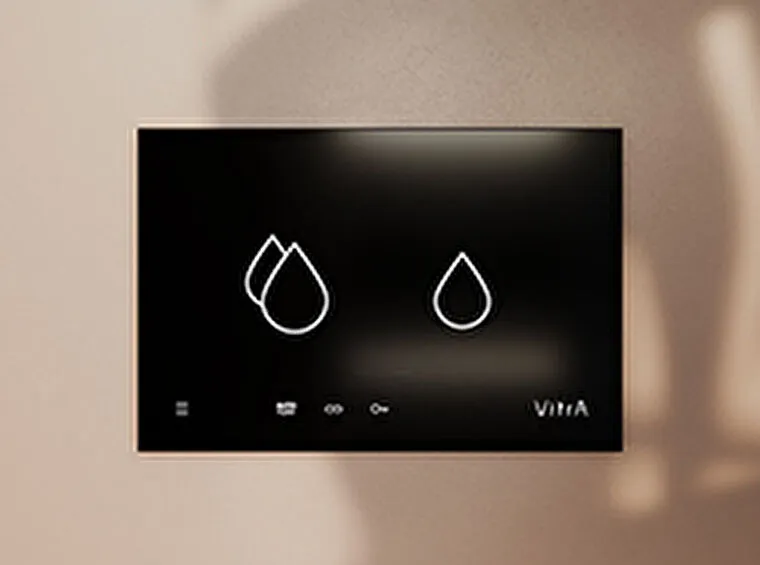


Loop O Flush Plate


Sento Kids Flush Plate


Panneau de commande, chromé mat


VitrA Pro Photo Cont Pan Br Chrome 12 cm


Flush Plates
A well-designed bathroom often depends on the details that stay quietly in the background. Flush Plates are one of those details. They influence daily comfort, water control, cleaning routines, and the visual balance of the room. In concealed toilet systems, the flush plate becomes the visible point of interaction while the cistern remains hidden behind the wall. This creates a cleaner appearance and frees up visual space around the toilet area.
VitrA Flush Plates are developed to work seamlessly with concealed systems used in residential projects, hospitality spaces, offices, and contemporary commercial bathrooms. From minimalist wall mounted flush button designs to touch-free sensor solutions, the collection supports different architectural styles and user habits. Material quality, tactile response, finish durability, and servicing access all play an important role when choosing a concealed cistern flush plate for long-term use.
Bathrooms today are planned with greater attention to comfort, hygiene, and coordinated design language. That is why many homeowners and designers now select modern toilet flush panel models together with taps, shower systems, accessories, and wall-hung sanitaryware. The right bathroom flush control solution helps create a cleaner wall surface, easier maintenance access, and a more refined user experience without adding visual clutter.
What Are Flush Plates And How Do They Work?
Flush Plates are the control panels used to activate concealed toilet cisterns hidden behind the wall. Instead of exposing the entire tank, the system keeps plumbing components inside the wall structure while the flush actuator plate remains accessible from the front. When you press the buttons, the plate activates the flushing mechanism connected to the concealed cistern. This setup supports cleaner wall lines and improves accessibility for maintenance through the removable front panel.
Many modern bathrooms now combine concealed installations with concealed cisterns because they simplify cleaning around the toilet area and reduce visible technical components. The flush plate becomes the main visible element, so users often select finishes and shapes that match the wider bathroom environment.
Common Flush Plates include:
- Dual flush plate models with two separate buttons for reduced or full water discharge. This lets users match the flush volume to the load in daily use.
- Single flush systems designed for straightforward operation in compact residential or commercial settings.
- Mechanical wall mounted flush button solutions that provide tactile feedback with direct manual activation.
- Sensor-operated bathroom flush control systems developed for hygiene-focused environments with reduced surface contact.
- Slim concealed cistern flush plate designs with frameless edges and minimal projection for contemporary bathrooms.
The difference between single and dual flush operation matters in long-term daily use. A dual flush plate generally allows a smaller flush volume for liquid waste and a larger flush when necessary. This controlled flushing process keeps each cycle matched to the load in homes with frequent daily use. Many homeowners now actively search for WC flush button systems that offer this flexibility without compromising flushing performance.
The button shape also affects usability. Large rectangular buttons are often preferred in family bathrooms because they are easier to operate for children and elderly users. Circular or square flush buttons create a more geometric appearance and are commonly selected for modern interiors with clean architectural lines. Some flush actuator plate designs include soft-touch surfaces or anti-fingerprint coatings that help maintain a cleaner appearance throughout the day.
Maintenance access is another important advantage. Since concealed systems remain behind the wall, the flush plate usually functions as the servicing entry point. Installers can access valves and internal mechanisms through the removable panel without breaking wall surfaces. This practical detail becomes especially valuable in hotels, office buildings, and high-traffic washrooms where servicing speed matters.
Flush Plate Models For Modern Bathrooms
Bathroom layouts increasingly focus on visual continuity. Many homeowners coordinate flush plate models with taps, shower mixers, towel rails, and wall hung toilets to create a more balanced interior appearance. Because the flush plate sits directly within the user’s line of sight, finish selection often becomes just as important as the toilet itself.
VitrA Flush Plates are available in styles developed for different architectural approaches. Slim profiles work well in compact urban apartments, while larger flush actuator styles may suit spacious hotel bathrooms or premium residential projects. Surface finish, edge detailing, and button placement all contribute to usability and maintenance convenience over time.
Popular modern flush plate designs include:
- Matte black flush plate surfaces that complement dark fittings, industrial interiors, and monochrome bathroom palettes.
- Chrome flush button finishes with reflective surfaces that work naturally alongside polished taps and shower systems.
- Brushed metal flush plate designs that help reduce visible fingerprints and maintain a softer metallic texture.
- Glass flush plate styles that create a smooth reflective appearance with easier wipe-clean maintenance.
- Frameless modern toilet flush panel models designed for minimal wall projection and clean transitions.
- Square flush buttons with geometric symmetry for contemporary bathroom layouts.
- Touch-sensitive flush plate models with sleek surfaces and reduced mechanical movement.
Material selection influences durability and maintenance requirements. ABS plastic remains popular because it is lightweight, moisture-resistant, and cost-efficient. Stainless steel models are frequently chosen for commercial projects due to scratch resistance and long-term structural durability. Coated metal finishes often provide additional resistance against fingerprints and cleaning chemicals used in high-traffic bathrooms.
Button ergonomics also matter more than many users expect. A flush plate should provide clear tactile response without requiring excessive pressure. Larger buttons improve accessibility for elderly users and children, while touch-sensitive surfaces support easier cleaning in hospitality and healthcare environments. In commercial washrooms, designers often prioritize wider activation surfaces that remain comfortable for high-frequency use throughout the day.
Another practical consideration is cleaning frequency. Highly polished chrome surfaces may require more regular wiping in busy family bathrooms because fingerprints become visible more quickly. Matte black flush plate finishes usually soften visible marks, while brushed textures help hide light scratches caused by repeated cleaning. These details influence long-term satisfaction as much as visual preference.
Mechanical Flush Plates For Everyday Use
Mechanical Flush Plates continue to be widely used in residential projects because they offer reliable daily operation and relatively straightforward maintenance. In a mechanical system, pressing the WC flush button directly activates the flushing mechanism through rods or physical linkage components. Many installers prefer these systems because servicing procedures are familiar and installation complexity remains lower compared to advanced electronic alternatives.
The tactile response of mechanical flush plates is another reason for their popularity. Users often appreciate the clear physical feedback when pressing the button. This immediate response creates a dependable flushing experience, especially in family bathrooms or shared living spaces where durability matters.
Common material choices for mechanical flush plates include:
- ABS plastic surfaces with moisture resistance and lightweight installation advantages.
- Stainless steel flush actuator plate designs used in hotels, airports, and commercial washrooms.
- Powder-coated metal finishes developed for scratch resistance and long-term colour stability.
- Chrome-coated bathroom flush control panels that coordinate with polished brassware collections.
Compared with pneumatic systems, mechanical flush plates usually contain fewer technical components. This can simplify maintenance procedures and reduce servicing costs over time. Pneumatic systems may offer softer button pressure and flexible positioning, but many homeowners still prefer mechanical dual flush mechanical system designs because they are easy to understand and operate.
VitrA Flush Plates designed for mechanical operation support repeated daily use across residential and commercial environments. Their construction focuses on durability, smooth button movement, and accessible servicing. In hospitality projects, reliable operation becomes especially important because bathrooms experience significantly higher usage frequency compared to standard homes.
Touch-Free Flush Plate Options
Hygiene expectations have changed significantly in recent years. Many users now prefer touch free flush plate systems in bathrooms where multiple people share the same facilities throughout the day. Sensor-controlled flushing reduces direct contact with surfaces and helps support cleaner bathroom routines in offices, restaurants, hotels, healthcare facilities, and premium residential projects.
A sensor flush system usually activates through infrared detection or proximity technology. Users move their hand near the flush plate to trigger the flushing cycle without touching the panel itself. Depending on the installation, these systems may operate through battery power or direct electrical connection.
Key advantages of contactless flush plate solutions include:
- Reduced surface contact in high-traffic washrooms.
- Easier cleaning because flat sensor surfaces collect less residue around buttons.
- Improved accessibility for users with limited mobility or reduced hand strength.
- Consistent activation suitable for hospitality and healthcare environments.
- Cleaner visual appearance with minimal button detailing.
Electronic systems may require additional planning during installation. Battery-powered automatic flush button models need periodic battery replacement, while hardwired versions depend on nearby electrical access. Installers also evaluate wall thickness, servicing access, and sensor positioning to ensure stable long-term performance.
VitrA sensor-controlled flush solutions are often selected for contemporary hospitality projects and premium bathrooms where hygiene and streamlined appearance are both important priorities. Their smooth surfaces and reduced mechanical contact points support easier maintenance while preserving a modern bathroom aesthetic.
How To Choose The Right Flush Plate
Choosing the best flush plate involves more than selecting a finish or button shape. Compatibility with the concealed cistern system is one of the most important technical considerations. Not every flush plate works with every frame or cistern mechanism. Some systems rely on mechanical activation while others use pneumatic or electronic controls. Checking compatibility before installation helps prevent fitting problems and unnecessary replacement costs later.
The wall structure also influences flush plate selection. Installation depth, wall thickness, and servicing access all affect which concealed cistern flush plate models will fit correctly. Renovation projects sometimes involve older frame systems that require adapters or updated actuator mechanisms.
When comparing flush plate compatibility and performance, homeowners often consider:
- Flush technology type including mechanical, pneumatic, or sensor activation.
- Removable front access for easier servicing and maintenance.
- Dual flush plate functionality for flexible flush selection.
- Finish durability against moisture, fingerprints, and cleaning chemicals.
- Flush plate dimensions suitable for compact or large wall surfaces.
- Button responsiveness and tactile comfort during daily use.
- Material quality such as coated metal, stainless steel, ABS plastic, or glass-effect surfaces.
Household size also affects buying decisions. A guest bathroom used occasionally may prioritize appearance and minimal projection, while a busy family bathroom often benefits from scratch-resistant finishes and larger activation buttons. In commercial projects, durability and servicing speed usually become the primary focus.
Cleaning routines should not be overlooked either. Matte finishes generally hide fingerprints more effectively than highly polished surfaces. Glass flush plate designs often wipe clean quickly, while textured metal surfaces can reduce visible wear in high-use environments. Users who clean bathrooms frequently may prefer smoother surfaces with fewer recessed edges.
Flush control remains another major consideration. Modern dual flush systems regulate the discharge by allowing separate flush volumes for different needs. Many concealed cistern systems are engineered to maintain strong flushing performance with the smaller flush volume as well. Over time, this gives residential buildings and hospitality projects more control over each cycle.
VitrA Flush Plates are designed to coordinate with compatible concealed frames and flushing systems for easier installation and long-term reliability. Coordinated engineering between the frame, cistern, and flush actuator helps simplify maintenance procedures and supports more consistent performance throughout years of daily use with compatible frames & flush plates.
Selecting the right flush actuator styles also depends on the visual language of the bathroom. Slim frameless designs often complement minimalist interiors, while larger rectangular flush panels may better suit family bathrooms or accessible washrooms where usability is prioritized. Designers frequently combine flush plates with matching metallic finishes across taps, shower controls, accessories, and WC hardware to create a more cohesive bathroom environment.
A carefully selected flush plate improves more than appearance. It influences cleaning ease, user comfort, maintenance accessibility, and flush control every single day. That is why flush plate buying guide research has become increasingly important for homeowners, architects, and installers planning modern concealed bathroom systems.
VitrA Flush Plates support a wide range of bathroom projects with coordinated concealed cistern compatibility, durable finishes, and contemporary flush control solutions. Whether you are planning a residential renovation, designing a hospitality space, or upgrading a commercial washroom, exploring the VitrA collection can help you compare flush technologies, finish options, and installation solutions that fit your project requirements more naturally.
Frequently Asked Questions About Flush Plates
Which Flush Plate Fits A Concealed Cistern?
The flush plate must match the concealed cistern system and activation mechanism used behind the wall. Some systems use mechanical activation while others use pneumatic or electronic controls. Always check compatibility with the frame and cistern model before buying. Choosing a matching system helps avoid installation issues and ensures easier maintenance later.
How Do You Properly Clean A Flush Plate?
Most flush plates can be cleaned with a soft cloth and mild non-abrasive cleaner. Avoid harsh chemicals on matte, brushed, or coated finishes because they may damage the surface over time. Glass and stainless steel versions often resist stains well and are easier to wipe clean. Touch-free models also reduce fingerprint marks and surface contact.
How Does A Dual-Flush System Work?
A dual flush system lets users select a smaller flush for liquid waste and a full flush when needed. Modern concealed cisterns are engineered to maintain effective performance with the smaller flush volume as well. In homes with frequent daily use, this gives control over every cycle.
Can An Old Flush Plate Be Replaced?
In many cases, yes, but compatibility depends on the concealed cistern brand, frame type, and activation system already installed behind the wall. Some older systems may require adapter components or a new actuator mechanism. Checking dimensions and manufacturer specifications before replacement helps prevent fitting problems.


