

/Header-products-4-.jpg)



Water Jewels Bathtub


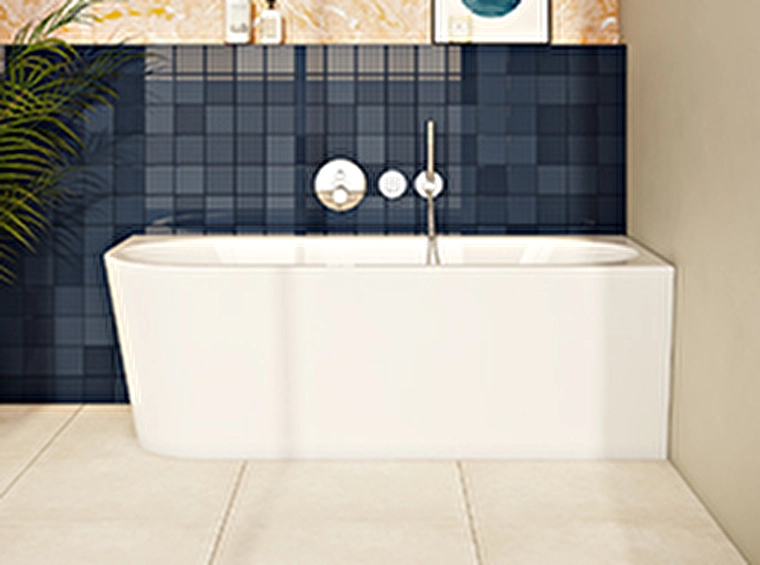
Neon 100 cm, acrylic, side panel


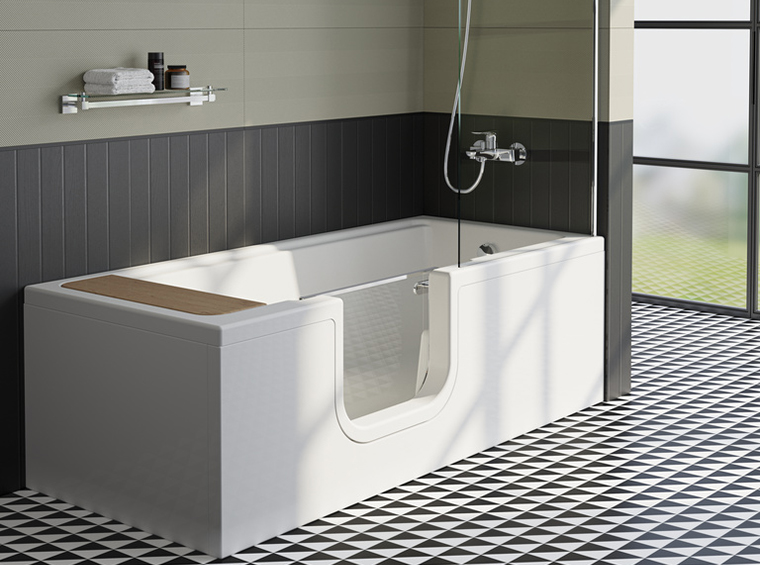
Neon 190 cm, Acrylic, Front Panel


Bathtubs
A bathtub shapes the way a bathroom feels in daily life. It influences movement, cleaning routines, water comfort, and even how spacious the room appears. VitrA Bathtubs are designed for people who want practical bathing solutions with clear visual harmony across the bathroom. From compact apartment layouts to larger master en-suites, the collection includes forms and dimensions that support different lifestyles without making the space feel crowded or difficult to maintain.
Choosing the right bathtub often comes down to details that are easy to overlook at first. Internal depth changes soaking comfort. Rim width affects cleaning access. Surface material influences heat retention and long-term appearance. VitrA Bathtubs are developed with these everyday considerations in mind. The collection brings together ergonomic interior contours, smooth surfaces, and modern bathtub design approaches that suit contemporary bathrooms, hotel-inspired interiors, and renovation projects where installation planning matters as much as appearance.
How To Choose The Right Bathtub Size And Shape
Finding the right bathtub starts with understanding how the room will function every day. A bathtub that looks generous in a showroom can limit movement in a smaller bathroom once installed. At the same time, a very compact model may reduce soaking comfort for taller users. VitrA Bathtubs are available in different lengths, depths, and profiles so you can balance comfort, cleaning access, and usable floor space more effectively.
Most homeowners compare freestanding bathtub sizes, soaking depth, and overall footprint before making a final decision. Common bathtub lengths usually range from 140 cm to 180 cm. Widths often vary between 70 cm and 90 cm depending on the installation type and interior layout. Deeper models provide a more immersive bathing experience, although they may require additional consideration for hot water capacity and floor loading during renovation planning.
Several bathtub shapes suit different bathroom scenarios:
- Rectangular soaking tub models work well in family bathrooms and contemporary layouts. Their straight edges simplify installation against walls and often improve cleaning access around the tub perimeter.
- Oval bathtubs create softer visual lines and can make larger bathrooms feel calmer. Double-ended oval forms also support more flexible reclining positions.
- Corner bath dimensions are often chosen for compact layouts where unused corners need practical planning. These models can preserve central floor movement more effectively.
- Single-ended tubs position the drain and backrest at opposite ends. This arrangement supports upright bathing and suits narrower rooms.
- Double-ended tubs place the drain centrally. They provide balanced comfort on both sides and are frequently selected for shared or relaxation-focused spaces.
The internal shape matters as much as the external dimensions. VitrA Bathtubs are known for combining clean-lined exterior forms with ergonomic interior geometry. Angled lumbar support, optimized arm positioning, and carefully planned soaking depth improve long-term comfort without increasing the bathtub footprint unnecessarily.
A small bathroom bathtub can still feel spacious when proportions are planned correctly. Narrow-edge designs increase internal bathing space while keeping the outer dimensions compact. In apartments or urban homes where every centimetre matters, these details help maintain circulation space around vanity units, toilets, and storage furniture.
Water flow planning is equally important during installation. Pair larger tubs with coordinated bath mixers for balanced water flow and practical installation planning. Matching fittings also help create visual consistency across the bathing area.
Bathtubs For Small Bathrooms
Compact bathrooms require careful planning, especially when the room needs to support showering, storage, and everyday movement at the same time. A compact bathtub does not necessarily mean sacrificing comfort. Many VitrA Bathtubs use optimized internal geometry to provide generous soaking depth within shorter external dimensions.
Short length bathtub models between 140 cm and 160 cm are often preferred in apartments, guest bathrooms, and smaller family homes. These dimensions preserve floor space while still allowing comfortable bathing positions for most users. Narrow-edge construction also helps maximize internal width.
Several layout choices can improve usability in smaller bathrooms:
- Wall-mounted taps reduce visual clutter and free up edge space around the bathtub.
- Gloss white finishes reflect more light and help compact bathrooms appear brighter and more open.
- Built-in shelving niches create storage without adding bulky furniture near the bathing area.
- Sliding shower screens often improve movement compared with outward-opening glass panels.
A space saving bath can also support easier cleaning routines. Reduced gaps between fixtures mean fewer difficult-to-reach areas where moisture and residue collect over time. This becomes especially useful in bathrooms with daily family use.
Modern bathroom planning increasingly focuses on visual simplicity. VitrA Bathtubs support this approach through smooth surfaces and contemporary profiles that coordinate naturally with furniture collections, washbasins, and sanitaryware.
Freestanding And Built-In Bathtub Models Compared
The choice between freestanding baths and built-in bathtub models often depends on room size, plumbing layout, and the desired visual atmosphere. Freestanding bathtubs create a strong focal point in larger bathrooms and frequently contribute to a more open spatial effect. Built-in solutions usually prioritize practical circulation and efficient use of available floor area.
Freestanding models are commonly selected for master bathrooms, hotel-inspired interiors, and open-plan layouts where the bathtub becomes part of the overall architectural composition. Their exposed silhouettes work particularly well in spaces with natural light and generous walking areas.
Built-in configurations provide different practical advantages:
- Integrated ledges create accessible storage for toiletries, candles, or folded towels.
- Alcove installations simplify plumbing concealment and wall integration.
- Back to wall bathtub models reduce cleaning access points behind the tub while maintaining a softer visual appearance.
- Panel-compatible systems allow easier coordination with tiles, flooring, and surrounding cabinetry.
Maintenance requirements also vary between installation types. Freestanding tubs may require more floor cleaning around the exterior perimeter, especially in open-plan bathrooms. Built-in bathtub systems generally reduce exposed plumbing and can simplify daily maintenance routines.
Many homeowners combine freestanding models with matching Free Standing Baths solutions for a cohesive bathing area. Coordinating shapes, surfaces, and fittings helps maintain visual consistency across contemporary bathrooms.
Material structure influences long-term durability as well. Reinforced acrylic construction improves rigidity and reduces flex during use. Thicker bath walls can also improve thermal retention, helping water remain warmer for longer bathing sessions. VitrA Bathtubs are designed to coordinate visually with contemporary sanitaryware and furniture collections, making renovation planning more cohesive.
Deep Soaking Bathtubs And Comfort Features
A deep soaking bathtub changes the bathing experience significantly, especially after long workdays or physically demanding routines. Soaking depth influences shoulder immersion, water warmth retention, and overall body support. For many homeowners, comfort now matters as much as layout efficiency during bathroom planning.
Deep bath design often includes higher side walls and carefully angled backrests. These details support more natural reclining positions and reduce tension around the neck and lower back during longer bathing sessions. Ergonomic bathtub contours can also improve arm positioning, allowing users to relax without constantly adjusting posture.
Several comfort-focused details influence usability:
- Centrally positioned overflow systems allow deeper water levels without compromising safety.
- Reinforced acrylic structures retain warmth longer than thinner materials.
- Wider shoulder zones improve movement during extended soaking sessions.
- Smooth edge transitions reduce pressure points around the back and elbows.
Users comparing a luxury soaking tub with standard models often notice differences in water retention and thermal comfort first. Thicker acrylic construction reduces heat loss and minimizes external surface cooling. This becomes particularly important in colder climates or larger bathrooms where room temperature fluctuates more easily.
Comfortable bathtub design also considers practical concerns such as entry height and cleaning access. Deep tubs should remain easy to enter safely while maintaining stable support around the rim and floor area. VitrA Bathtubs balance these requirements through refined internal geometry and contemporary proportions suited to modern bathroom layouts.
Bathtub Materials And Surface Finishes
Material selection affects more than appearance. It changes how a bathtub feels during use, how easily it cleans, how much heat it retains, and how well it performs over years of daily exposure to water and cleaning products. VitrA Bathtubs are recognized for smooth surfaces that simplify maintenance and help reduce residue build-up in frequently used bathrooms.
An acrylic bathtub remains one of the most requested solutions in residential projects because it combines low weight with comfortable thermal properties. Acrylic surfaces warm more quickly than many heavier materials, which creates a more comfortable first contact during bathing. Reinforced bathtub structures also improve rigidity and reduce long-term movement during use.
Different materials offer different advantages:
- Acrylic bathtub models are lightweight, repairable, and easier to transport during renovation projects.
- Reinforced structures improve structural stability and reduce vibration or flexing.
- Composite materials can provide enhanced durability and denser surface feel.
- High gloss bathtub finishes reflect light effectively and coordinate well with minimalist interiors.
Weight becomes particularly important in upper-floor apartments or renovation projects with older floor structures. Heavier materials may require additional structural assessment before installation. Lighter reinforced acrylic systems often simplify logistics and installation planning.
Surface texture also influences maintenance. Easy clean bathtub finishes with smooth, low-porosity surfaces help reduce soap residue, mineral deposits, and visible staining over time. Scratch resistant bath surfaces maintain their appearance longer when cleaned using non-abrasive products.
Easy-Clean Bathtub Surfaces
Gloss white continues to be the most popular finish across contemporary bathrooms because it integrates easily with Scandinavian interiors, hotel-inspired spaces, matte black fittings, natural stone surfaces, and wood textures. Neutral surfaces also adapt more easily to future design updates without requiring complete renovation.
Material thickness contributes to acoustic comfort as well. Thicker bathtub walls reduce water noise during filling and improve thermal insulation during longer soaking sessions. This creates a quieter, more relaxing environment in shared family homes or apartment settings.
Durability standards matter in long-term planning. Many modern bathroom products are developed according to international manufacturing and quality standards such as CE and ISO 9001 processes. These standards support consistency in material performance, structural integrity, and production quality over time.
Long-term durability is increasingly part of bathroom planning too. Long-lasting surfaces reduce replacement frequency and help extend product lifespan. Easy-maintenance finishes also work with mild cleaners, supporting simpler daily care routines.
Choosing the right bathtub becomes easier when dimensions, installation style, and material performance are considered together rather than separately. VitrA Bathtubs offer solutions for compact city apartments, family bathrooms, and larger architectural projects where comfort, maintenance, and visual consistency all influence the final decision. Exploring coordinated bathing collections, compatible bath mixers, and installation-focused layouts can help you create a bathroom that feels practical today and adaptable for years ahead.
For coordinated finishes and matching drainage solutions, reference Syphons and Waste Sets during product planning.
Frequently Asked Questions About Bathtubs
Which Bathtub Fits A Small Bathroom?
Compact models between 140 cm and 160 cm are often the best choice for smaller bathrooms. Space-saving tubs with slimmer rims can still provide comfortable soaking depth while leaving enough room for movement, storage, and shower access. Wall-mounted taps and lighter colour palettes also help smaller rooms feel less crowded.
Which Is Better: Freestanding Or Built-In Bathtub?
Freestanding tubs create a more open visual effect and work well in larger bathrooms, while built-in models are usually easier to clean around and better for compact layouts. Built-in options can also provide additional ledge space for toiletries and are often more practical for family bathrooms.
Which Material Is Easiest To Care For On A Bathtub?
Acrylic is one of the most popular materials because it is lightweight, smooth, easy to clean, and retains heat well. Reinforced acrylic surfaces can also resist staining and maintain their gloss finish for many years when cleaned with non-abrasive products.
Do Whirlpool Bathtubs Require A Lot Of Maintenance?
Hydromassage systems require more maintenance than standard tubs because jets and internal pipework should be cleaned regularly. Many modern systems include automated cleaning functions, but users should still follow manufacturer guidance to prevent residue build-up and maintain water hygiene.


