

/Header-products-4-.jpg)
Basin Mixers
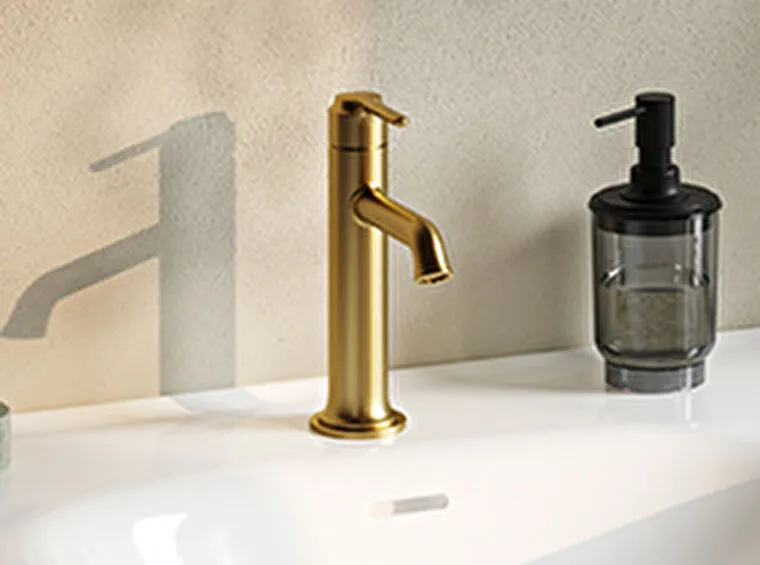
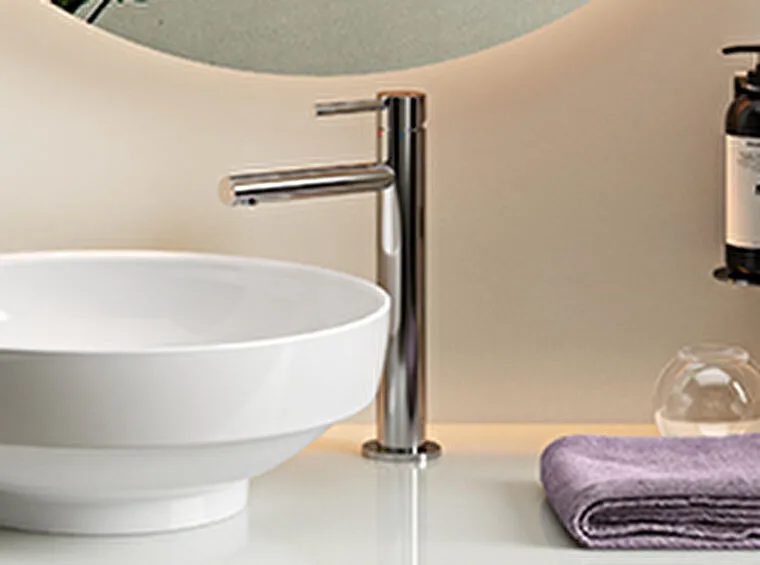
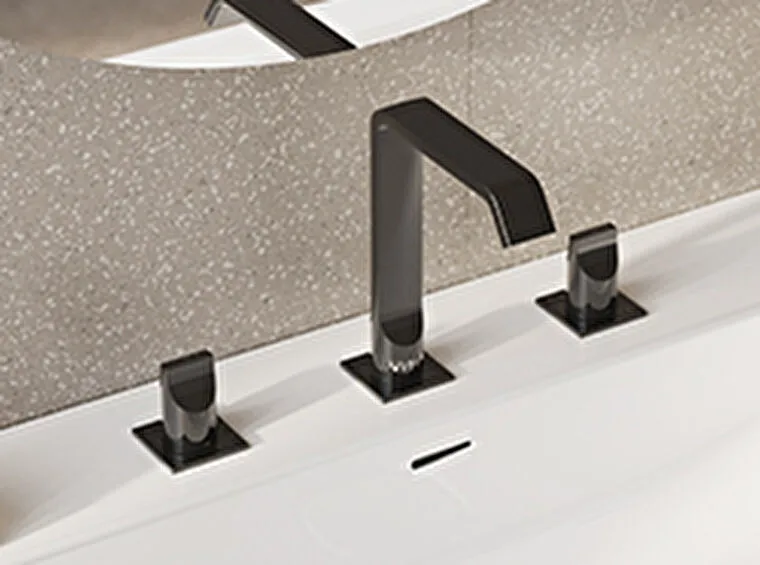
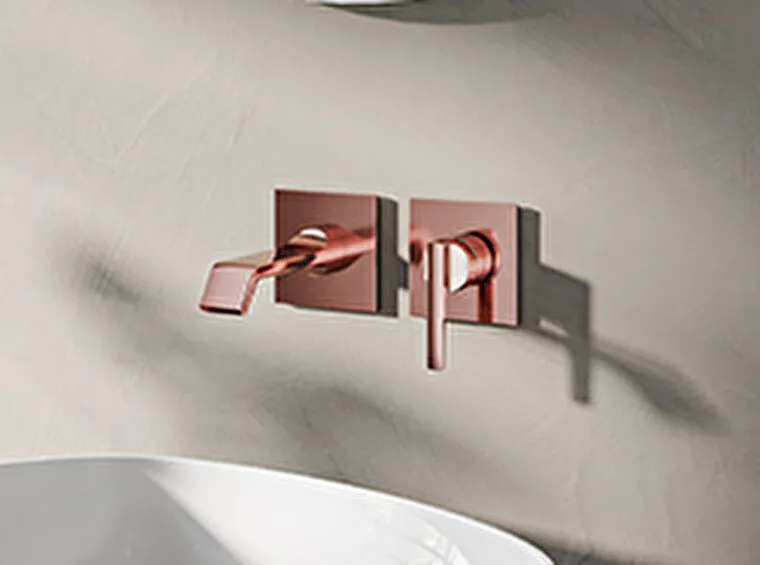


Istanbul Basin Mixer


Aquamed Basin Mixer


Aquamed Basin Mixer


Solid S Basin Mixer


Solid S Basin Mixer


Istanbul Basin Mixer


Basin Mixers
The right basin mixer changes the way a bathroom feels during everyday use. A carefully selected bathroom basin mixer tap improves comfort at the sink, supports easier cleaning, and helps create a more balanced visual layout around the washbasin. VitrA Basin Mixers are designed for different bathroom sizes, installation types, and interior preferences, from compact guest bathrooms to spacious family wash areas and hospitality projects.
Across contemporary homes, hotels, and residential renovations, users often look for a modern washbasin tap that offers reliable water control, durable finishes, and a shape that works naturally with the basin. VitrA Basin Mixers bring together practical engineering, ceramic cartridge technology, flow-regulating aerators, and finish options such as chrome, matte black, brushed gold, and brushed nickel. This variety makes it easier to coordinate taps with ceramics, vanity units, wall tiles, and bathroom accessories without making the space feel overly designed or difficult to maintain.
How To Choose The Right Basin Mixer For Your Bathroom
Choosing a basin mixer usually starts with understanding how the sink will be used every day. A family bathroom used several times a day needs different features than a compact cloakroom or a guest ensuite. The height of the tap, the reach of the spout, and the installation type all influence comfort during handwashing and cleaning. A bathroom basin mixer tap that looks balanced with the basin also helps reduce splashing and improves movement around the sink area.
VitrA Basin Mixers are designed to work with multiple washbasin formats including inset basins, semi-recessed basins, wall-hung ceramics, and countertop bowls. This flexibility supports consistent bathroom planning across different room sizes.
When comparing Basin Mixers, these technical points usually make the biggest difference:
- Deck-mounted basin mixers are installed directly onto the basin or countertop. They are practical for renovations because existing plumbing often remains usable. A chrome basin faucet in this format suits compact bathrooms where easy installation matters.
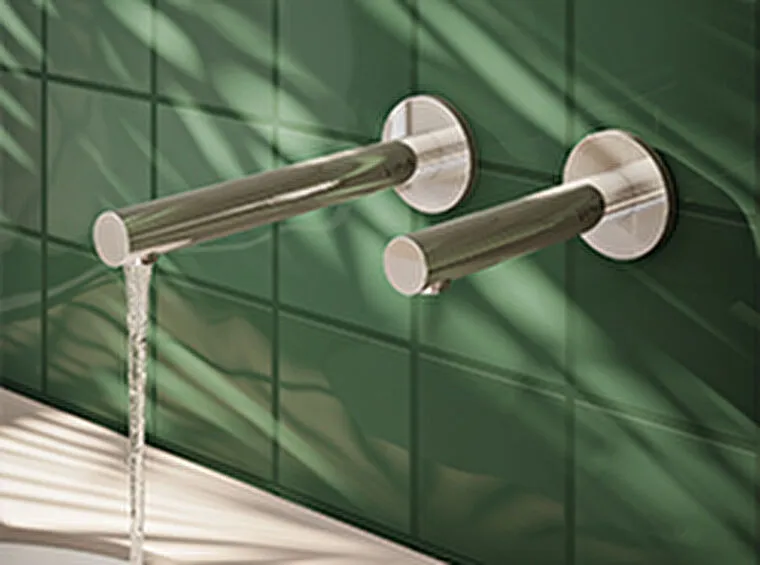
- Wall mounted basin mixer models free more surface area around the washbasin. This layout simplifies cleaning and creates a visually lighter arrangement in minimalist interiors.
- Tall basin mixer designs are made for vessel basins and countertop bowls. Their increased height supports comfortable handwashing without forcing users too close to the basin edge.
- Concealed basin mixer systems hide pipework behind the wall. This creates a cleaner appearance around floating vanity units and large-format tiles.
Several dimensions should be checked before selecting a single lever basin mixer:
- Spout projection affects where water lands inside the basin. Short projections may feel restrictive, while very long spouts can increase splashing in shallow bowls.
- Mixer height should match basin depth. A best basin mixer for small bathroom layouts often uses a compact body with controlled water flow.
- Water pressure compatibility influences daily comfort. Some low-flow basin tap systems perform best with medium or high pressure installations.
- Installation hole configuration determines whether a deck mounted basin tap or concealed solution is more suitable.
Finish selection also changes long-term maintenance expectations. Chrome basin faucet surfaces usually reflect more light and are easier to wipe clean in busy family bathrooms. Matte black finishes create a sharper architectural appearance, though fingerprints and limescale may appear more visible under strong lighting. Brushed gold and brushed nickel surfaces soften reflections and often work well with stone textures, warm-toned ceramics, and natural wood vanity units.
For coordinated bathroom planning, explore taps & mixers collections that complement different washbasin styles and furniture arrangements.
Popular Basin Mixer Styles And Installation Types
Different installation types influence not only the appearance of the bathroom but also how the sink area functions every day. Some users prefer the accessibility of a deck mounted basin tap, while others choose a concealed basin mixer to achieve a cleaner wall surface. VitrA Basin Mixers include contemporary geometric silhouettes alongside softer rounded forms, making it easier to adapt the tap design to modern, transitional, or hospitality-focused interiors.
Exposed installations keep visible components above the countertop or basin surface. This setup simplifies maintenance access and usually reduces installation complexity during renovations. Concealed systems place technical parts inside the wall, leaving only the spout and control visible. The result feels more refined and less visually crowded.
Several installation styles serve different bathroom layouts:
- A wall mounted basin mixer creates more usable countertop space and simplifies cleaning around soap dispensers or toothbrush holders.
- A deck mounted basin tap is often easier to retrofit into existing plumbing layouts without major wall modifications.
- A concealed basin mixer works well with floating vanity units and large wall tiles because fewer visible components interrupt the surface.
- A designer basin mixer with sculptural detailing may become a focal point in hotel-inspired bathrooms or premium residential projects.
Pipe positioning should always be checked before installation begins. Wall-mounted mixers require accurate valve placement and enough wall depth for concealed components. Basin depth also matters because shallow basins paired with high-pressure taps may create excessive splash outside the sink area.
Minimalist bathrooms frequently combine concealed installations with integrated storage and uninterrupted surfaces. Wall-mounted options can also be compared alongside wall mounted mixers when planning space-saving bathroom layouts with cleaner visual lines.
Basin Mixers For Countertop Bowl Basins
Countertop washbasins continue to appear in modern residential and hospitality interiors because they create stronger visual definition around the vanity area. These basins require taller mixer bodies that position the water stream correctly above the bowl. A tall basin mixer that sits too low can feel awkward during daily use, while excessive height may cause water to splash beyond the basin edge.
VitrA Basin Mixers developed for bowl installations are designed with balanced proportions, ergonomic control, and controlled water flow. Spout height and projection are calibrated to support comfortable handwashing while helping reduce unnecessary splashing.
Popular combinations for countertop basin areas include:
- Matte black vessel sink mixer designs paired with white ceramic bowls for a sharper monochrome appearance.
- Brushed gold high rise basin faucet models combined with stone-effect countertops and warm-toned lighting.
- Brushed nickel countertop basin tap options used with textured surfaces such as concrete-look ceramics or natural wood cabinetry.
- Chrome tall basin mixer styles integrated into hotel bathrooms where brighter reflections support a cleaner visual atmosphere.
A basin mixer for bowls should leave enough clearance between the spout and basin rim. In many residential projects, a height difference of approximately 20 to 30 centimeters between basin edge and spout outlet creates comfortable usability. Wider countertop bowls may also require longer spout projection to ensure water lands centrally inside the basin.
Tall mixers naturally draw attention within the bathroom layout. In boutique hotels and premium apartments, they often help define the vanity area without requiring additional decorative elements. Tall tap designs can also be explored alongside basin mixers for bowls designed specifically for countertop washbasin installations.
Built-In Basin Mixer Options For Minimalist Bathrooms
Minimalist bathroom planning often focuses on reducing visual interruptions around the washbasin. Built in basin mixers support this approach by concealing technical components behind the wall surface. Only the spout and control remain visible, which creates a more open appearance around floating vanity units and large-format tiles.
An in wall basin mixer also frees countertop space that would otherwise be occupied by tap bases or exposed fittings. This extra surface area becomes especially useful in compact urban bathrooms where storage and cleaning access matter every day.
Before selecting built in basin mixers, several planning details should be reviewed carefully:
- Wall depth must accommodate concealed valve components and pipe connections.
- Access panels or maintenance planning should remain possible after installation.
- Spout length needs to match basin depth to reduce splashing.
- Valve positioning should support comfortable hand movement around the washbasin.
VitrA concealed mixer collections are frequently selected for contemporary residential projects, luxury apartments, and hospitality environments where cleaner geometry is preferred. Large wall tiles, natural stone counters, and floating furniture pair naturally with a concealed basin tap because fewer visible elements interrupt the surfaces.
Cleaning also becomes simpler around the sink area. Dust, soap residue, and watermarks have fewer edges where they can accumulate. This practical benefit matters in family bathrooms and commercial spaces with frequent daily use.
Concealed installation layouts are easier to understand when reviewing built in basin mixers for streamlined bathroom walls.
Flow Control Features And Mixer Technology
Modern Basin Mixers are expected to hold a steady flow rate without making the washing experience feel restricted. This is where aerator systems, ceramic cartridge technology, and pressure-balanced engineering become important. VitrA Basin Mixers use controlled flow principles that keep delivery even while maintaining a smooth and comfortable stream.
Aerators mix air into the water flow, keeping the stream full while the tap runs at a controlled rate. Many users expect low-flow taps to feel weak, though modern aerator engineering significantly improves comfort compared with older low-flow systems.
Several technologies contribute to better day-to-day performance:
- Ceramic cartridge faucet systems create smoother lever movement and more accurate temperature control over time.
- Anti-drip engineering helps prevent dripping after the tap is closed and improves durability during long-term use.
- Flow-regulated basin mixer designs keep hot water delivery steady in homes, offices, and hospitality projects.
- Soft flow basin mixer systems distribute water more evenly and help reduce aggressive splashing in shallow basins.
A single lever basin mixer also improves usability because temperature and flow can be adjusted with one movement. In family bathrooms, this creates quicker operation during busy mornings. In hospitality environments, it simplifies the guest experience and shortens the time spent adjusting the tap.
Many VitrA Basin Mixers are designed for efficient daily performance across residential and commercial environments. Hotels and office projects with high daily usage often benefit from flow-regulated taps because steady hot water delivery keeps daily operation predictable.
Pressure balancing technology also supports comfort consistency. In buildings where pressure fluctuations occur throughout the day, engineered flow control helps maintain a steadier stream. This becomes particularly useful in apartment blocks and multi-user commercial bathrooms.
Durable mixers continue to gain attention in renovation projects where long-term performance influences product selection. Long-lasting finishes, durable internal cartridges, and controlled flow systems can support longer product lifecycles while reducing maintenance frequency.
Users looking for sensor-operated alternatives can also compare touchless basin mixers for hygiene-focused bathrooms.
Choosing the right Basin Mixers collection often becomes easier when you compare installation type, basin compatibility, finish durability, and daily usage habits together. VitrA Basin Mixers are developed to support different bathroom scales, from compact guest washrooms to premium hospitality projects and family homes with high daily use. Exploring the full collection helps you identify mixer styles that align naturally with your basin dimensions, interior materials, and long-term maintenance expectations while creating a more coordinated bathroom environment.
Best Finishes And Materials For Long-Term Durability
Long-term durability in bathroom fittings depends heavily on surface treatment quality, material composition, and daily maintenance habits. Chrome remains one of the most widely selected finishes because it offers strong corrosion resistance and a reflective surface that works across both classic and contemporary interiors. Matte black coatings create a more architectural appearance, while brushed finishes help soften fingerprints and water marks in high-use bathrooms.
Brass-bodied mixers are commonly preferred for durability because they resist corrosion and maintain structural integrity under frequent daily use. PVD-coated finishes can also improve scratch resistance and preserve color consistency over time, especially in hospitality environments and busy family bathrooms.
Local water and humidity conditions influence finish longevity as well. Hard water regions may increase visible limescale buildup, making routine cleaning especially important for darker finishes. Soft microfiber cloths and non-abrasive cleaners are generally recommended to help preserve the appearance of chrome, brushed nickel, brushed gold, and matte black surfaces.
Material coordination also contributes to a more cohesive bathroom design. Warm metallic finishes often pair naturally with wood vanity units and stone surfaces, while polished chrome complements brighter ceramics and minimalist interiors. Matching finishes can be coordinated with bathroom accessories to create a consistent bathroom look.
Frequently Asked Questions About Basin Mixers
What Height Should A Basin Mixer Have For Countertop Basins?
A tall mixer is usually recommended for countertop or vessel basins because the spout needs enough clearance for comfortable handwashing. The ideal height depends on the basin depth and diameter. A mixer that is too high can cause splashing, while one that is too low may reduce usability. Checking spout projection and basin dimensions together gives the best result.
How Do You Properly Clean A Black Basin Mixer?
Use a soft microfiber cloth with mild soap and warm water to clean matte black finishes. Avoid abrasive sponges, bleach, or acidic cleaners because they can damage the coating over time. Drying the tap after use helps reduce visible water spots and limescale marks. Regular gentle cleaning keeps the finish consistent for longer.
Are Flow-Controlled Basin Mixers Really Practical In Everyday Use?
Modern flow-regulated mixers use aerators that mix air into the water stream, so the flow still feels comfortable during daily use. Many users notice a steadier flow without a major difference in performance. They are especially useful in family homes and commercial bathrooms with frequent daily use. Precise cartridge technology also helps improve temperature control.
Which Is Better: Concealed Or Deck-Mounted Basin Tap?
Built-in mixers create a cleaner wall appearance and free more space around the basin, making them popular in minimalist bathrooms. Deck-mounted mixers are generally easier to install and maintain because the plumbing remains more accessible. The right choice depends on the bathroom layout, wall construction, and desired visual style. Both options can work well when matched correctly with the basin type.


